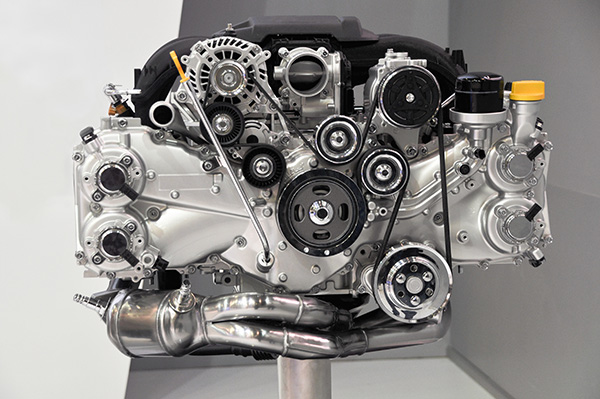
A squealing noise at startup usually means one of the belt-driven parts under the hood is slipping, dragging, or struggling for a few seconds before the engine settles down. Most of the time, it happens in the morning, after the car has been sitting, or when the weather turns damp or cold. Some cars do it for only a second. Others keep doing it longer and louder over time.
That sound is usually an early warning from the serpentine belt.
Why Startup Is When The Noise Shows Up
A startup puts a sudden load on the belt and every accessory it drives. The alternator has to recover from the energy used to start the engine, the pulleys begin spinning immediately, and the belt has to grip cleanly with no hesitation. If the belt is worn, glazed, loose, or contaminated, that first moment is when it is most likely to complain.
That is why the noise often fades after a few seconds of engine running. The belt catches up, the pulleys stabilize, and the squeal goes away until the next cold start. Even so, the cause is still there, and it usually gets worse instead of staying mild.
A Worn Belt Is Still The Most Common Cause
The serpentine belt is the most common source of a startup squeal. As it ages, the rubber hardens, the surface becomes polished, and the belt loses some of the grip it needs to move smoothly across the pulleys. Once that happens, the belt slips briefly when the engine first fires, and that sharp squeal is the result.
Cracks are one sign of belt age, though they are not the only one. A belt can look decent at a quick glance and still be too glazed or too stiff to hold properly. That is why an inspection matters more than guessing based only on appearance.
Tensioners And Pulleys Cause The Same Sound
A belt is not always the true problem. The tensioner that keeps the belt tight can weaken over time, and an idler pulley or accessory pulley can start wearing in a way that changes how the belt rides. When that happens, the belt may squeal even though the belt itself is only part of the story.
This is one reason the noise should be checked as a full system complaint. Replacing the belt alone may quiet it for a while, though the sound often comes back if the tensioner or one of the pulleys is already failing. We see this often on higher-mileage vehicles where one worn part has started affecting everything around it.
Moisture And Contamination Make Startup Squeal Worse
Damp weather often makes a weak belt system much louder. Moisture on the belt surface changes the grip just enough to expose a problem that was already there. Oil or coolant contamination does even more damage because fluid on the belt reduces traction and breaks down the rubber over time.
If the squeal is worse after rain or after the engine has been sitting overnight, that pattern is useful. It usually points toward a belt that is already struggling or a leak that has reached the belt path. During regular maintenance, catching a small leak near the front of the engine can prevent that kind of noise from turning into a belt failure.
Accessory Bearings Can Start The Noise Too
Some startup squeals are really failing bearings in belt-driven components. The alternator, water pump, A/C compressor, and idler pulleys all rely on bearings to spin smoothly. Once one begins wearing out, the noise may show up as a squeal, chirp, or rough, high-pitched sound that is strongest right after startup.
This is where the exact sound and timing help. A true belt slip often has a cleaner squeal. A worn bearing may sound rougher, more mechanical, or keep changing pitch as the engine runs. That difference is why a proper inspection should listen for more than just the belt surface itself.
What Happens If You Ignore It
A startup squeal is easy to postpone because the car still drives. The trouble is that the same belt system usually runs the alternator, water pump, and other critical components. If the problem gets worse and the belt slips badly or fails completely, the engine can overheat, the battery can stop charging, and the car can leave you stranded much faster than expected.
That is why this sound should be checked early. A focused repair now is far better than dealing with a broken belt and whatever stopped working when it came off. Small belt noises tend to become much more expensive once they are allowed to keep developing.
What A Proper Belt Inspection Should Cover
A real inspection should include the belt, tensioner, idler pulleys, accessory pulleys, and any sign of oil or coolant contamination near the belt path. It should check belt condition, pulley alignment, tension, and bearing noise together, rather than treating the squeal as a one-part diagnosis. That full approach is what leads to a lasting repair.
Once the source is confirmed, the fix is usually straightforward. The important part is catching the weak link before it affects the rest of the system.
Get Belt And Pulley Replacement In Lake in the Hills, IL, With SJM Autowerks
If your engine squeals when you first start the car, SJM Autowerks in Lake in the Hills, IL, can perform an inspection and find out whether the noise is coming from the belt, tensioner, pulleys, or another accessory drive component.
Bring it in before that brief startup squeal turns into a broken belt and a much bigger repair.