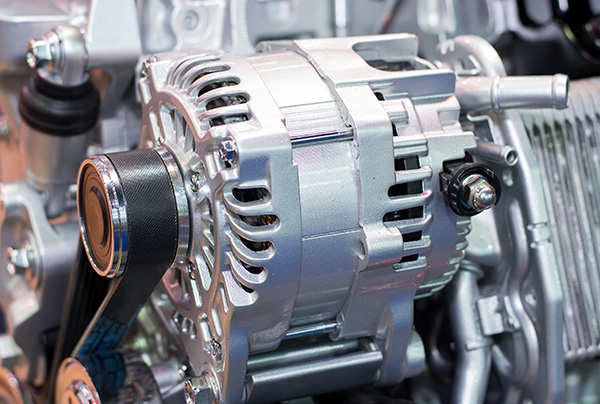
Nobody thinks about the alternator until the car will not start. The catch is that an alternator can get weak long before it fails completely, so the battery ends up carrying the load. That extra strain can shorten battery life and create a cycle of jump starts and repeat failures.
A few clear signs can tell you when the charging system is falling behind.
Early Warning Signs You Should Not Ignore
The battery warning light is the obvious one, but it is not always steady. You might see it flicker at idle, then disappear when the engine speed comes up. Dimming headlights at stoplights or a blower motor that seems weaker than usual can point in the same direction. If your auto stop-start suddenly stops working for days at a time, the car may be protecting a low battery.
Pay attention to patterns after the car has been sitting. If it cranks slowly in the morning, starts fine after a jump, and then acts weak again the next day, the battery is not getting fully recharged. A healthy alternator should restore the battery during normal driving, even with lights and heat running.
How Low Output Feels While Driving
When the alternator output drops, electrical power becomes inconsistent. You may notice the radio resetting, the dashboard lighting up with warnings that seem unrelated, or the gauges acting odd. Some vehicles will shift harder or hesitate because control modules do not like low voltage. If the system gets far enough behind, the car can run mostly on battery power until the battery drains.
That is when things go from annoying to inconvenient fast. The engine may stall at a stop, and restarting might not be possible. Heavy electrical loads make it worse, like headlights, rear defroster, seat heaters, and high fan speed. If several symptoms appear together, plan to get it checked soon.
Simple Checks Before You Blame The Alternator
Start with what you can see and touch. Battery terminals should be clean and tight, and the main ground cable should not be loose or corroded. Take a quick look at the serpentine belt for cracking, glazing, or oil contamination. A slipping belt or weak tensioner can reduce alternator speed and make output look low.
Also think about recent changes. Aftermarket audio, phone chargers that stay powered, and dash cameras can drain a battery overnight. Short trips in cold weather can keep a good battery from recovering, especially if you idle a lot. These factors do not rule out an alternator problem, but they help you avoid chasing the wrong cause.
What Voltage Readings Can Tell You
A basic multimeter gives a clear snapshot of charging performance. With the engine off and the car sitting for a few hours, many healthy batteries read around 12.6 volts. Much lower than that means the battery is discharged or worn out. The more useful test is with the engine running.
At idle, most vehicles charge in the mid 13 to mid 14 volt range. Turn on the headlights and the cabin fan, and watch whether the voltage holds steady. If it falls into the low 13s or the 12s and stays there, the alternator is not meeting demand. If the voltage starts normal and then steadily drops as the car runs, the output is likely fading under load.
Problems That Mimic A Weak Alternator
Charging systems are a chain, so any weak link can create the same symptoms. Corroded battery cables can block current even if the alternator is producing it. A failing battery can pull voltage down and make the alternator work overtime. Blown fuse links, damaged wiring, or a bad connection at the alternator itself can limit charging.
On many modern cars, alternator output is controlled by the vehicle computer. That means a sensor or control issue can cap charging even with a good alternator installed. We have seen situations where replacing parts did not help because the real fault was in the command circuit.
Catching a weak alternator early during regular maintenance saves headaches later. A careful inspection of belt condition, connections, and load response helps you fix the true cause once. That way you are not replacing a battery and hoping for the best.
Get Alternator Output Testing In Lake in the Hills, IL With SJM Autowerks
If you’re dealing with slow cranking, a battery light, or repeat dead battery mornings, the next step is testing the charging system under load so it’s fixed correctly.
Schedule service or visit SJM Autowerks in Lake in the Hills, IL when you want a clear answer and a repair that holds up.