Posted on 2/27/2026
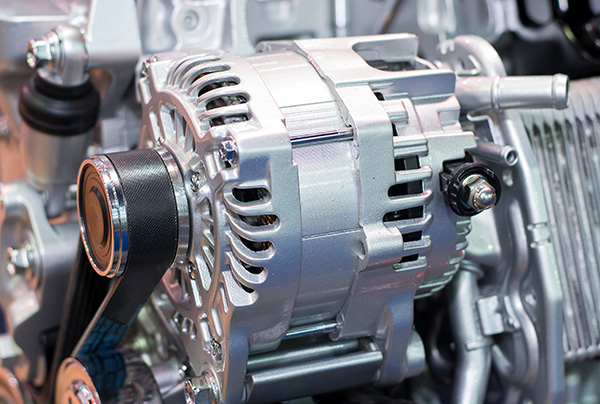
Nobody thinks about the alternator until the car will not start. The catch is that an alternator can get weak long before it fails completely, so the battery ends up carrying the load. That extra strain can shorten battery life and create a cycle of jump starts and repeat failures. A few clear signs can tell you when the charging system is falling behind. Early Warning Signs You Should Not Ignore The battery warning light is the obvious one, but it is not always steady. You might see it flicker at idle, then disappear when the engine speed comes up. Dimming headlights at stoplights or a blower motor that seems weaker than usual can point in the same direction. If your auto stop-start suddenly stops working for days at a time, the car may be protecting a low battery. Pay attention to patterns after the car has been sitting. If it cranks slowly in the morning, starts fine after a jump, and then acts weak again the next day, the battery is not getting fully recharged ... read more
Posted on 1/25/2026

A lot of drivers think of oil changes as basic maintenance, like brushing your teeth. You do it because you are supposed to, not because you expect to feel a difference right away. Here’s the catch. When oil service is neglected, the car often starts feeling heavier, noisier, and less responsive long before anything breaks. Regular oil changes are one of the simplest ways to protect the engine and keep fuel economy from quietly sliding in the wrong direction. Why Oil Condition Affects More Than Engine Protection Engine oil is doing several jobs at once. It lubricates moving parts, helps carry heat away from hot areas, and prevents contaminants from sticking to internal surfaces. As the oil ages, it collects combustion byproducts, moisture, and tiny particles from normal wear. Once the oil is past its useful life, the engine can still run, but it is working with less stable lubrication and less effective cleaning. That can increase friction and heat, which can ... read more