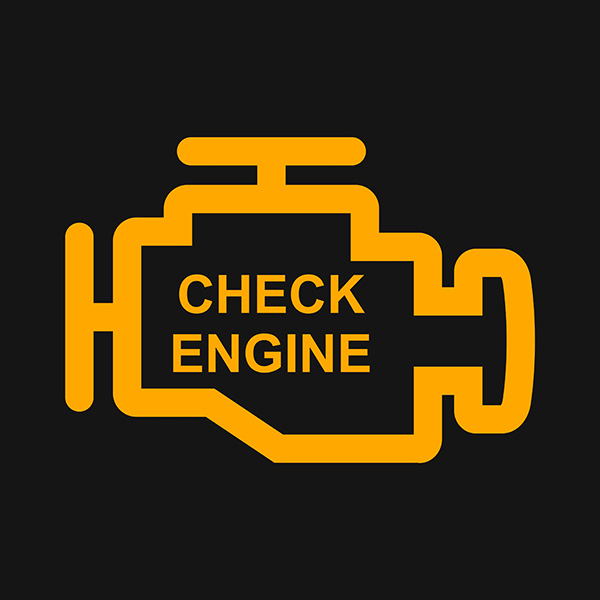
A check engine light can be frustrating, especially when the car seems to be driving normally. No strange noises, no loss of power, no obvious symptoms. Just a glowing light on the dashboard that refuses to go away.
That situation leads many drivers to ignore it or put it off. The car feels fine, so it cannot be anything serious, right? Not always. That light is still a warning, even if the problem has not affected performance yet.
Why The Check Engine Light Turns On
The check engine light is triggered when the vehicle’s computer detects something outside its normal operating range. Sensors throughout the engine and emissions system constantly send data, and when something looks off, the system stores a code and turns on the light.
Some of these issues affect performance right away. Others do not. A small problem can exist without changing how the car feels, at least at first.
Minor Issues Can Still Trigger The Light
Not every check engine light points to a major failure. In many cases, the cause is relatively small.
Common examples include:
- A loose or faulty gas cap
- Minor evaporative emissions system leaks
- Sensor readings that are slightly out of range
- Early ignition or fuel system changes
These issues may not affect drivability immediately, but they still need attention.
Emissions Problems Often Go Unnoticed
Many check engine light triggers are related to emissions systems. These systems are designed to control fuel vapors and exhaust output, not necessarily how the engine performs from the driver’s perspective.
Because of that, the car can run fine while still having a problem. The system is doing its job by alerting you, even if you do not yet feel a difference.
Sensors Play A Big Role
Modern engines rely heavily on sensors. Oxygen sensors, airflow sensors, and other components help the system adjust the fuel-to-air ratio.
If a sensor starts giving inaccurate readings, the engine may still run, but it may not be running as efficiently as it should. Over time, this can affect fuel economy and lead to additional wear.
Why Ignoring The Light Can Lead To Bigger Problems
Driving with the check engine light on might seem harmless if the car feels normal, but small issues tend to grow. A minor sensor issue can lead to an incorrect fuel mixture. That can affect other components over time.
The longer the issue is left unresolved, the more likely it is to impact additional systems. What starts small can become more involved if it is ignored.
Intermittent Problems Can Be Misleading
Sometimes the check engine light comes on and then turns off later. That can make it seem like the problem fixed itself.
In reality, the system may have detected a temporary issue that could return. The stored data still contains valuable information about what happened, which is why an inspection is important even if the light is currently off.
How Regular Maintenance Helps Prevent Warning Lights
Staying current on regular maintenance helps reduce the chances of unexpected warning lights. Clean filters, proper fluid levels, and timely replacement of wear items all contribute to stable engine performance.
An inspection during routine service can also catch early signs of trouble before they trigger a warning.
When To Have The Vehicle Checked
If your check engine light is on, even without symptoms, it is worth having it inspected. Waiting for the car to run poorly usually means the issue has already progressed.
A proper inspection helps identify the cause and prevents unnecessary repairs. It also gives you a clearer understanding of what is going on.
What To Avoid Doing
Resetting the light without addressing the cause may temporarily turn it off, but it does not fix the problem. The light will return once the system detects the issue again.
Replacing parts based on guesswork can also lead to unnecessary costs. A targeted approach helps avoid that cycle.
Get Check Engine Light Service In Lake in the Hills, IL, With SJM Autowerks
If your check engine light is on but your car still seems to run fine, SJM Autowerks in Lake in the Hills, IL, can inspect your vehicle to find out what is really going on before it becomes a bigger issue.
Call today to schedule your appointment and get clear answers instead of wondering what that light means.